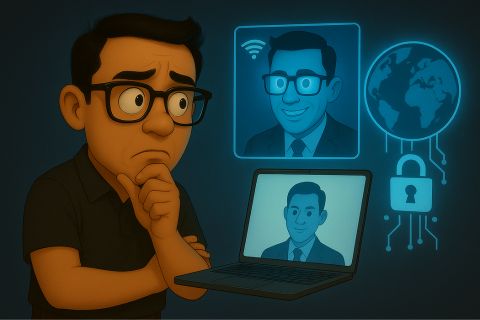
MSMEs (Micro, Small, and Medium Enterprises) are the backbone of the Indonesian economy. In the digital era, many MSMEs are beginning to rely on the internet for promotion, transactions, and managing daily business operations. However, this development also brings a major challenge: cyber threats.
Digital attacks not only target large corporations but also MSMEs, which are considered more vulnerable due to their less-than-optimal security systems. Let's learn about the cyber threats MSME business owners must be aware of to keep their businesses safe.
1. Phishing: Scams via Email & Messages
Phishing is a digital crime technique carried out via fake emails, WhatsApp, or SMS messages. The content usually consists of malicious links that resemble official websites. If employees or MSME owners are tricked, important data such as bank accounts or passwords can be stolen.
Tips to avoid:
- Don't click suspicious links indiscriminately.
- Always check the sender's email address.
- Use an email system with strong spam filters.
2. Ransomware: Business Data Locked
Ransomware is a malware attack that locks computer files or systems. Perpetrators usually demand a ransom to regain access to the data. For MSMEs, this can halt business operations and cause financial losses.
Tips to avoid:
- Regularly back up data to the cloud or a secure server.
- Do not install pirated software.
- Update antivirus periodically.
3. Customer Data Theft
For MSMEs that sell online, customer data (such as addresses, phone numbers, and payment information) is a valuable asset. If breached, it can not only destroy business reputation but also lead to legal issues.
Tips to avoid:
- Use a trusted payment system.
- Implement encryption for sensitive data.
- Limit customer data access only to authorized teams.
4. Attacks on Business WiFi Networks
Business WiFi that is not properly protected can become an entry point for hackers. From there, they can steal data or slow down the network.
Tips to avoid:
- Change WiFi passwords regularly.
- Separate WiFi for guests and employees.
- Use trusted internet services with additional security features.
5. Social Engineering: Psychological Manipulation
Not all cyberattacks are technical. Social engineering exploits human psychology, for example, by pretending to be a courier, customer, or bank representative to request business data.
Tips to avoid:
- Educate employees not to share information carelessly.
- Always verify the identity of external parties before providing data.
Cyber threats are real, even for MSMEs. With increasing reliance on the internet, it's important for small business owners to invest a little time and money in digital security. This ranges from simple things like changing passwords, regularly backing up data, to using fast and secure internet. Remember, protecting a business from cyber threats is not just about technology, but also about awareness and healthy digital habits.